Photos
OB in Focus
VFWs
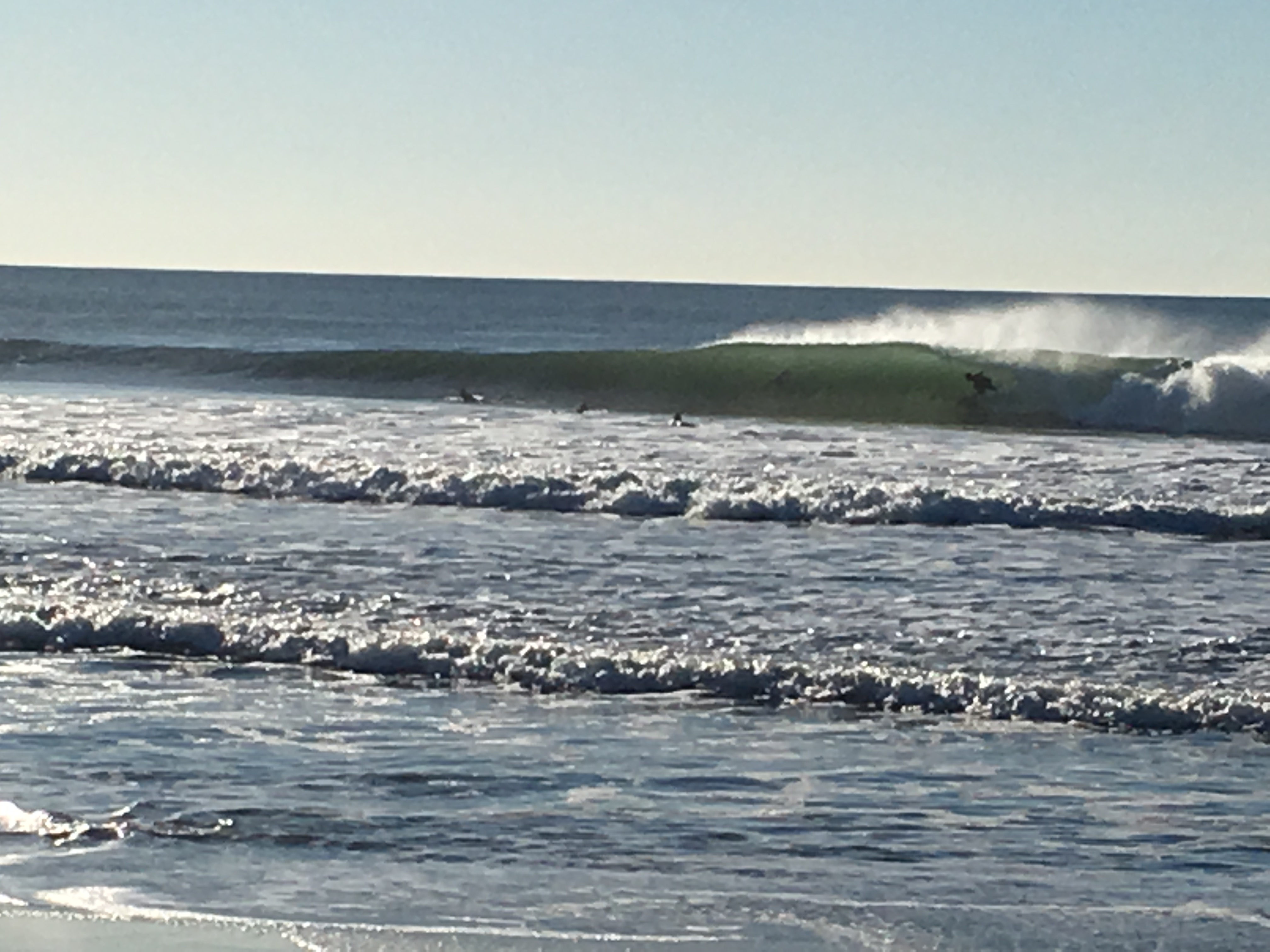
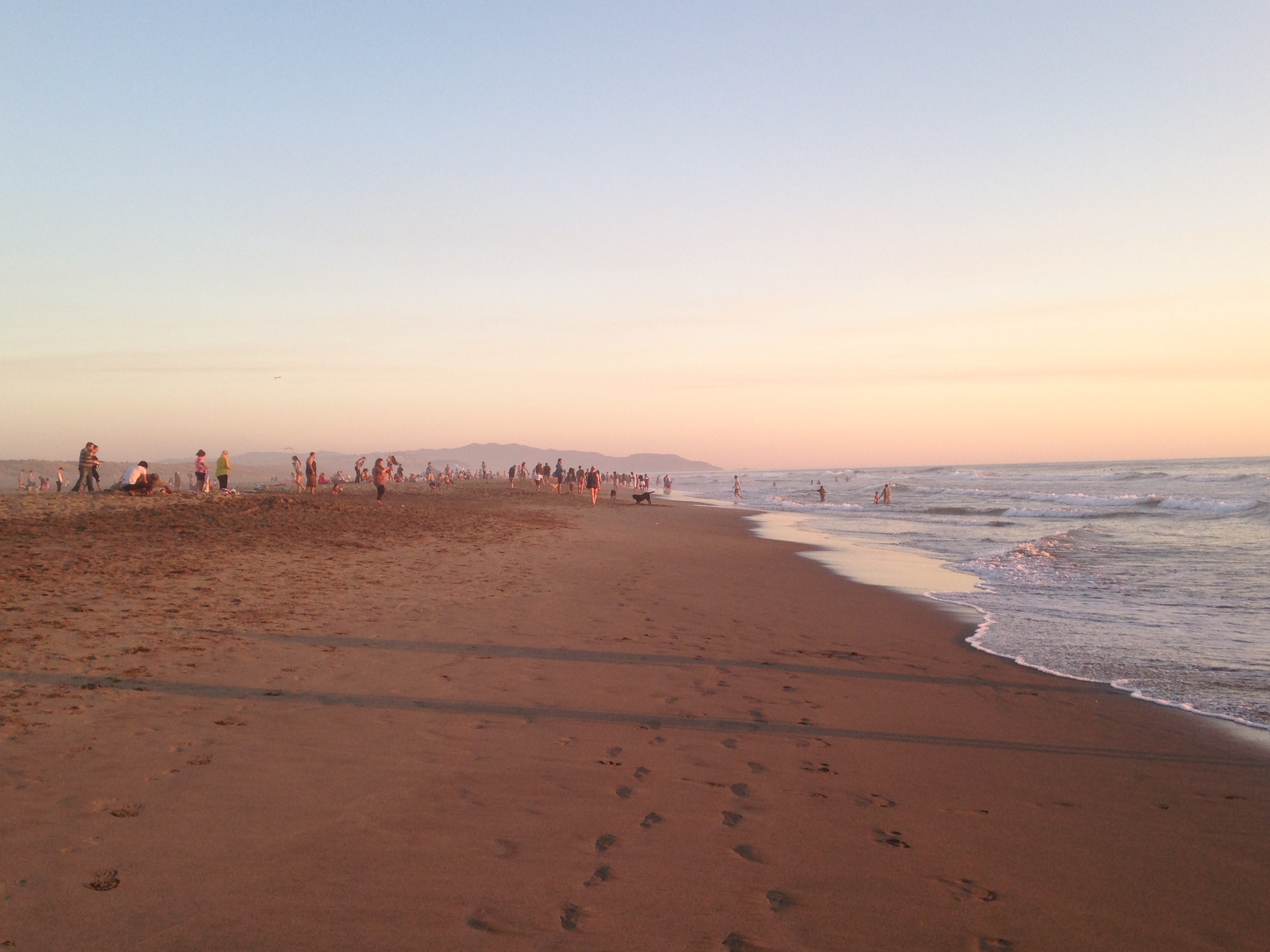
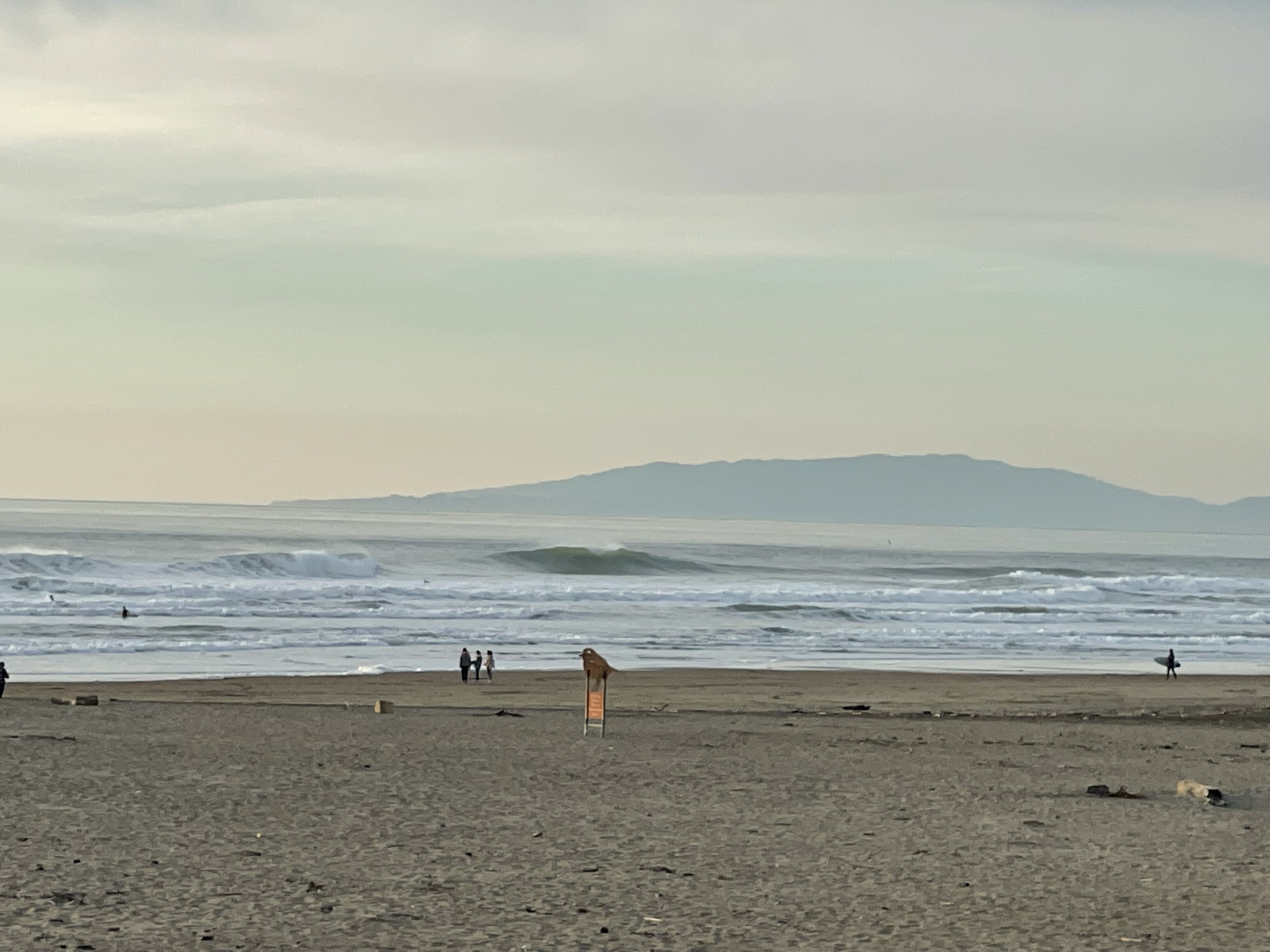
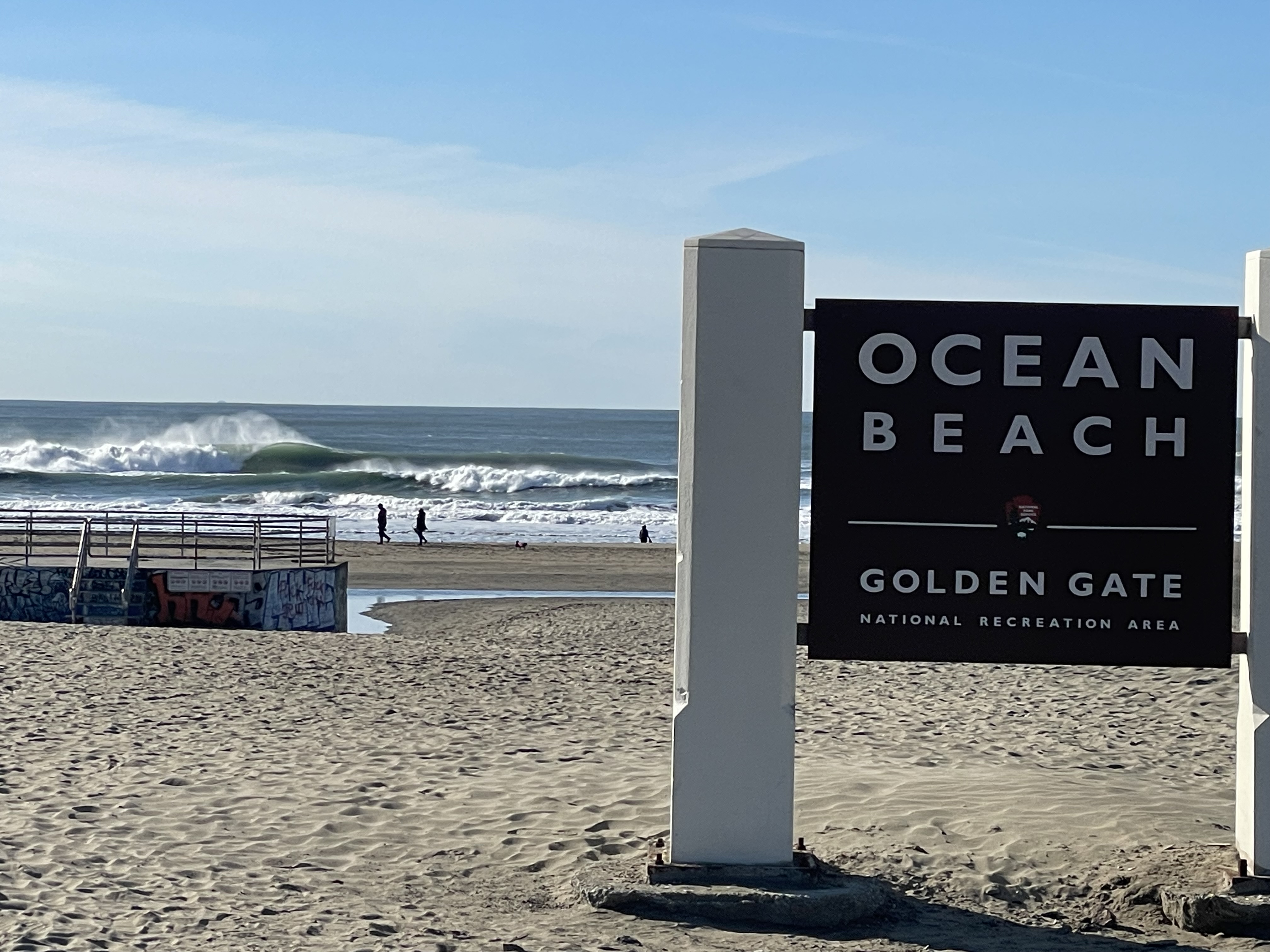
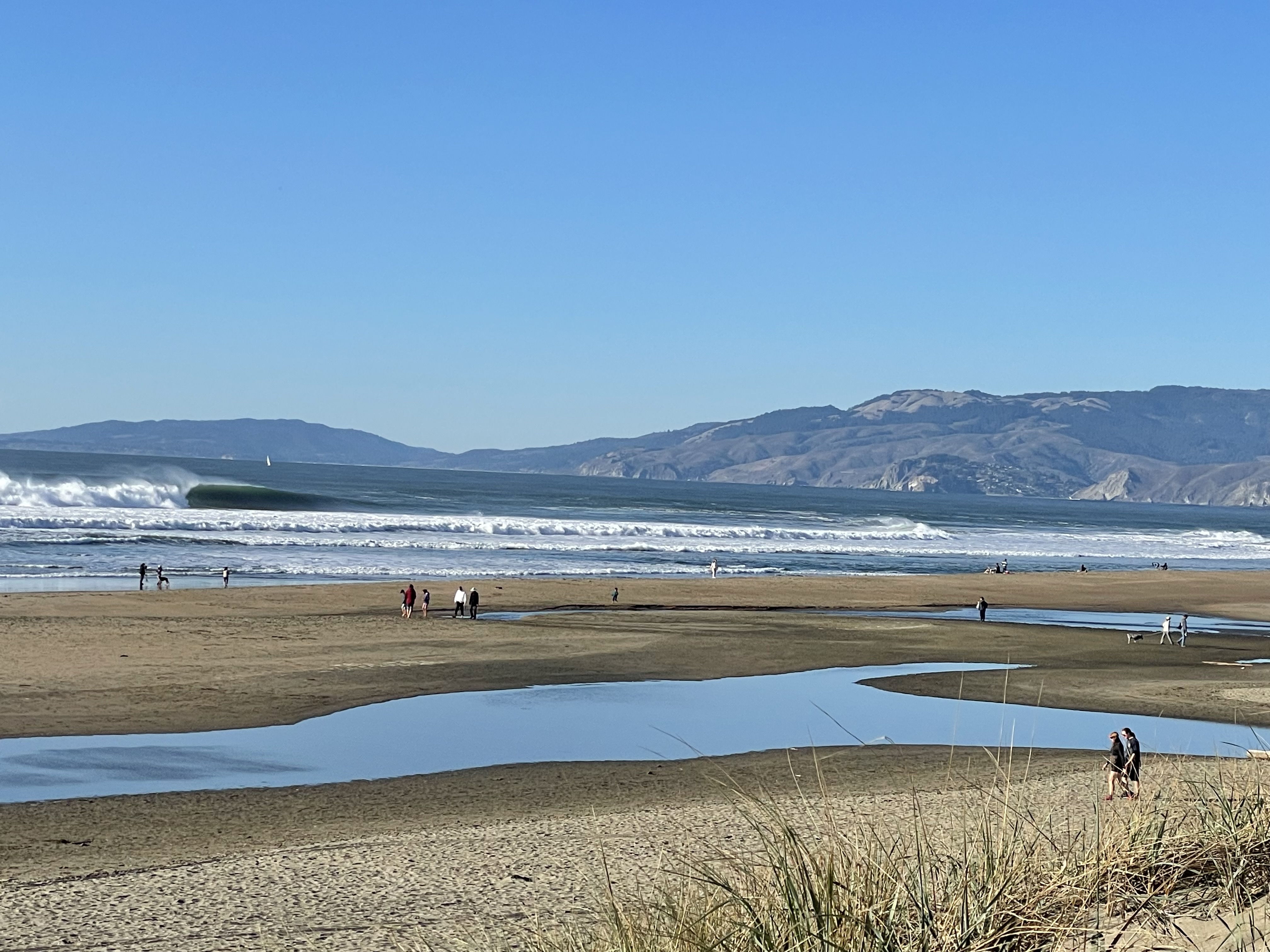
Kelly's Cove
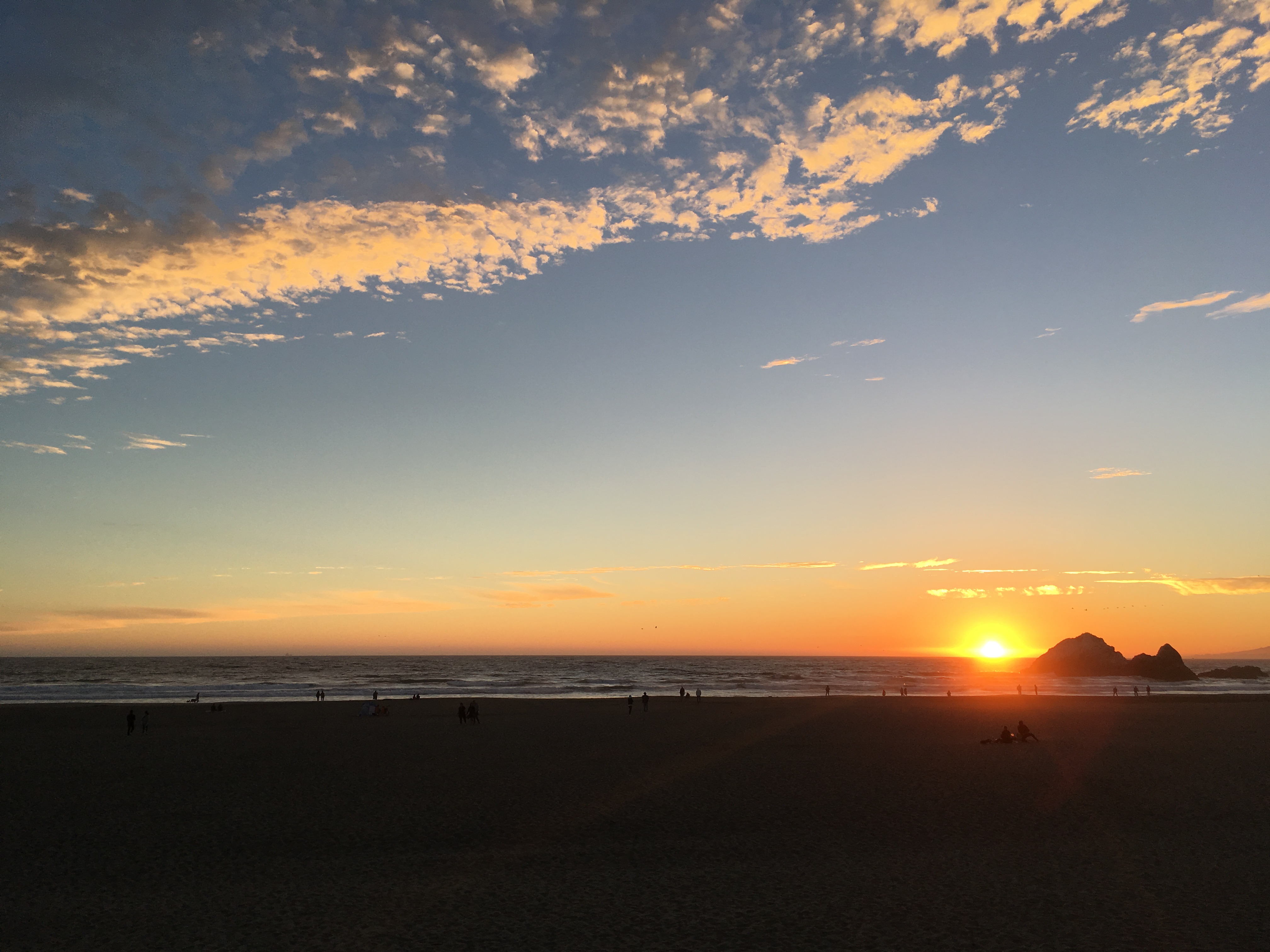
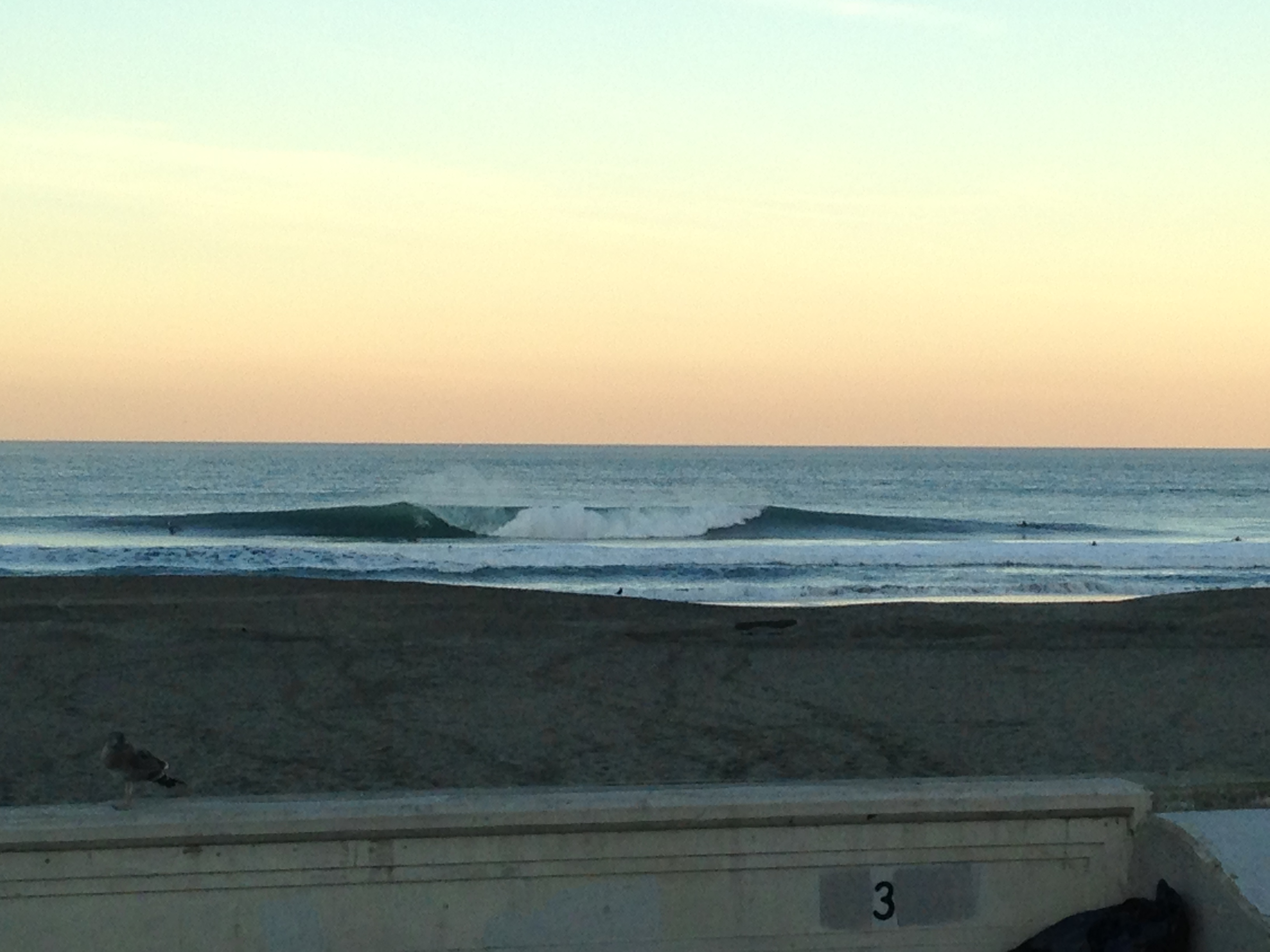
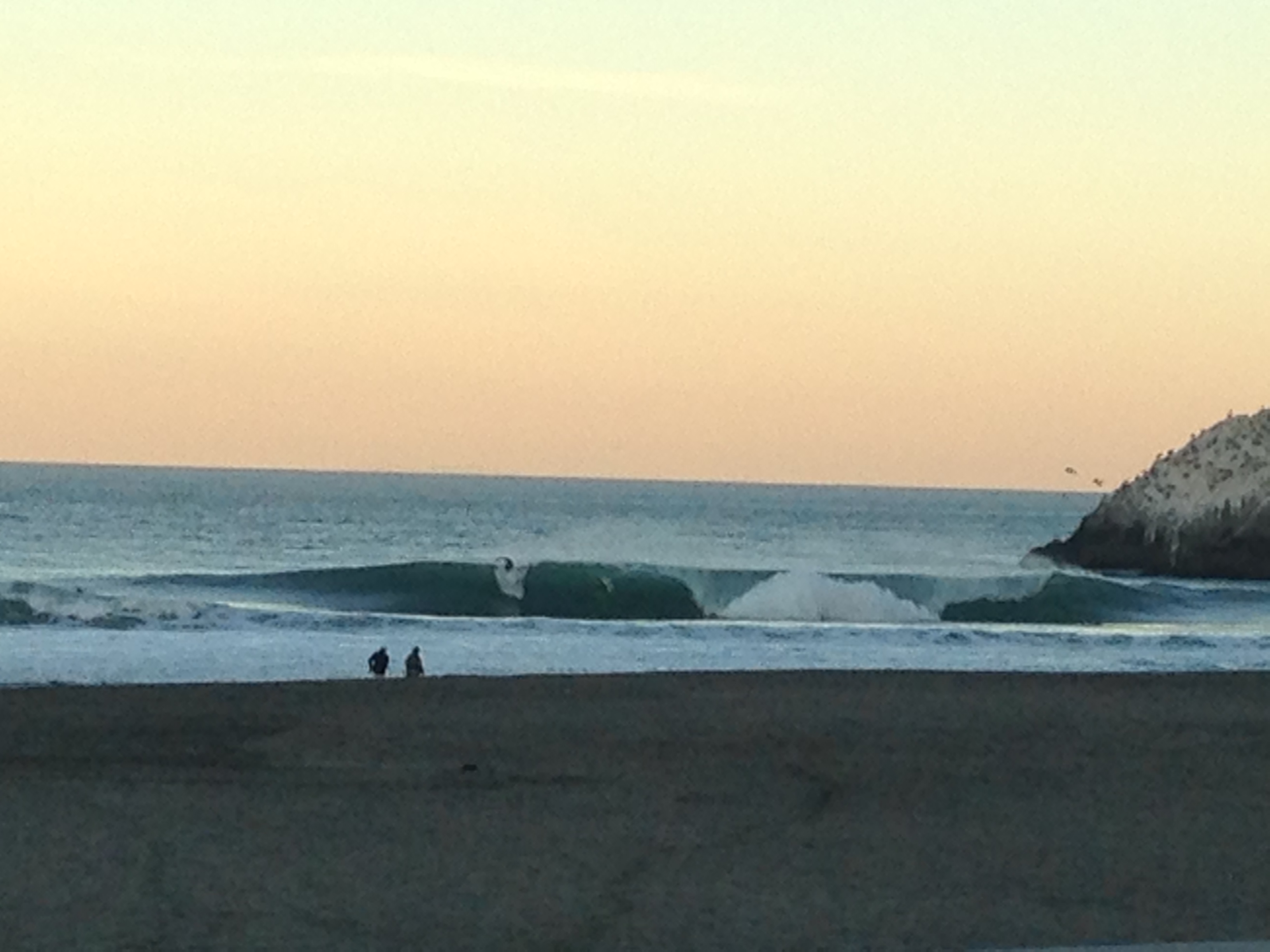
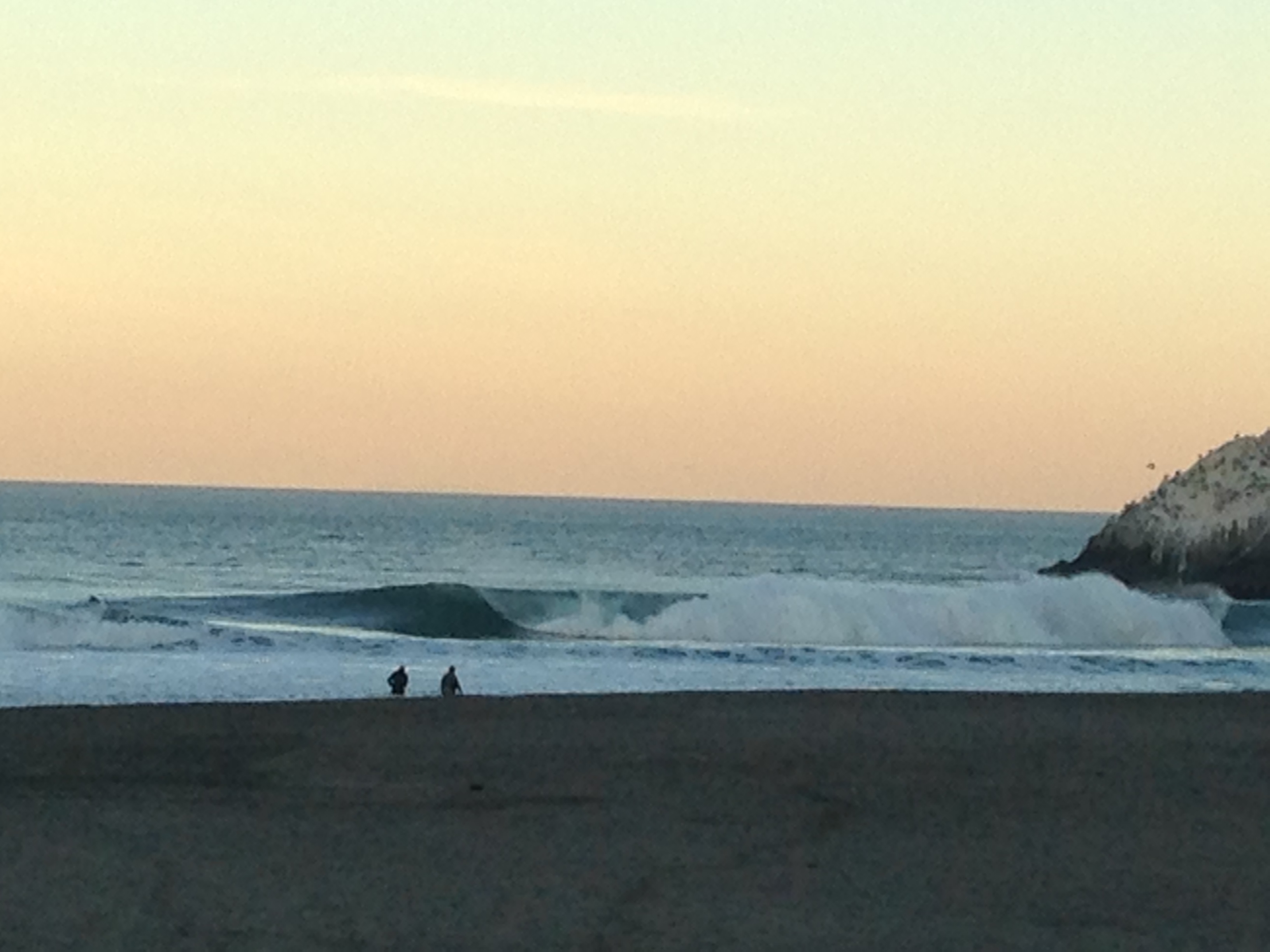
Pacheco
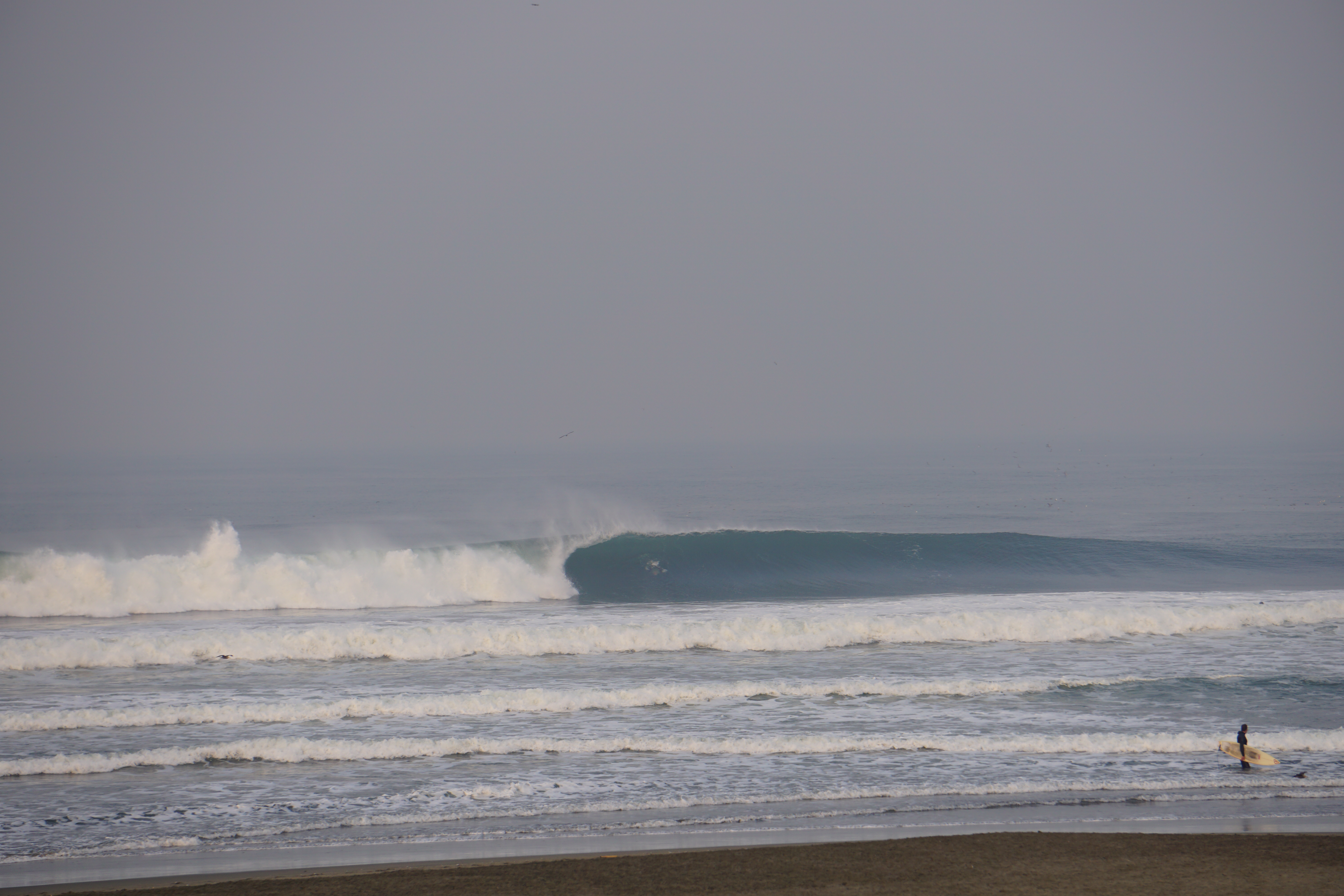
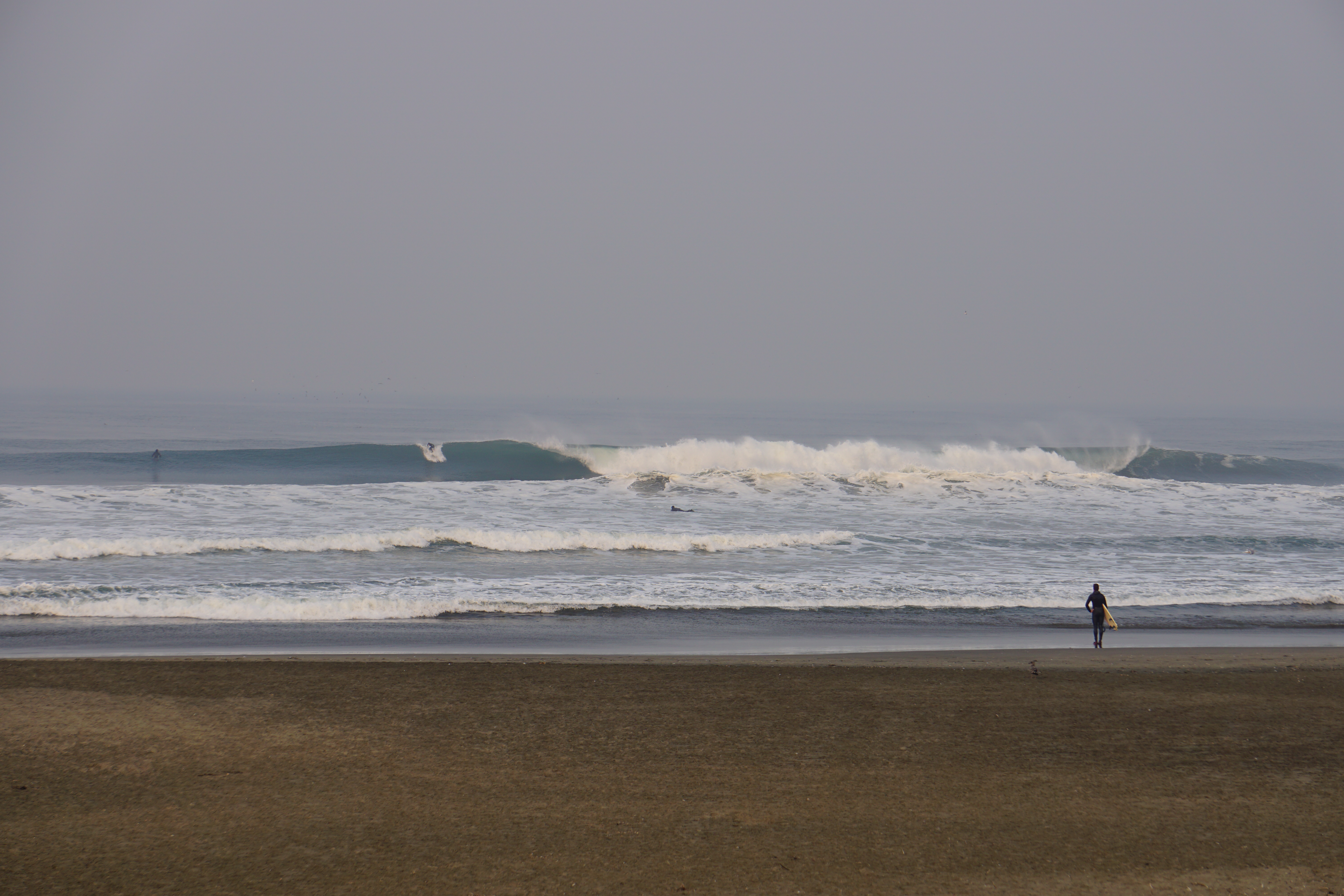
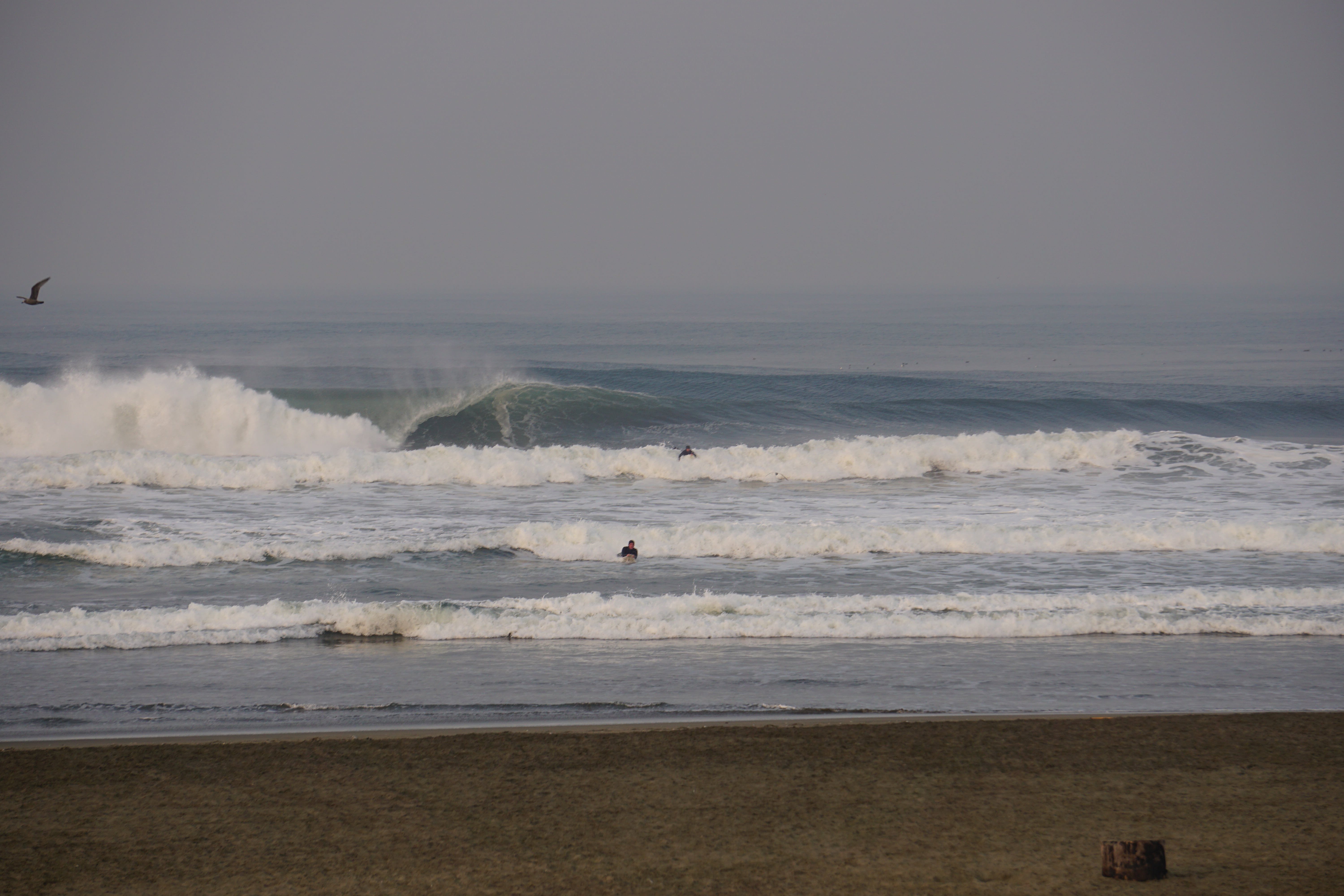
San Francisco
Powerful, unpredictable, and iconic
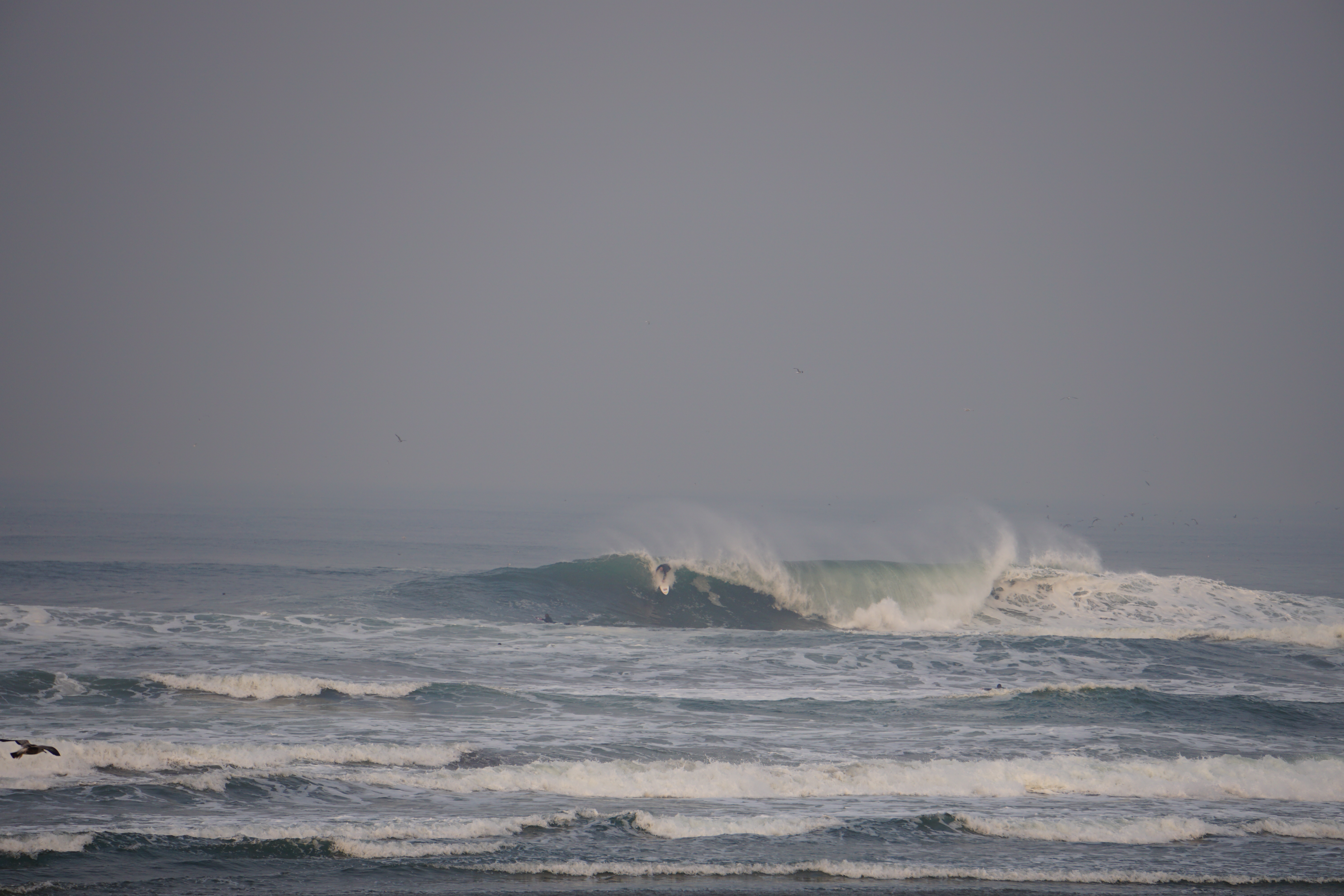
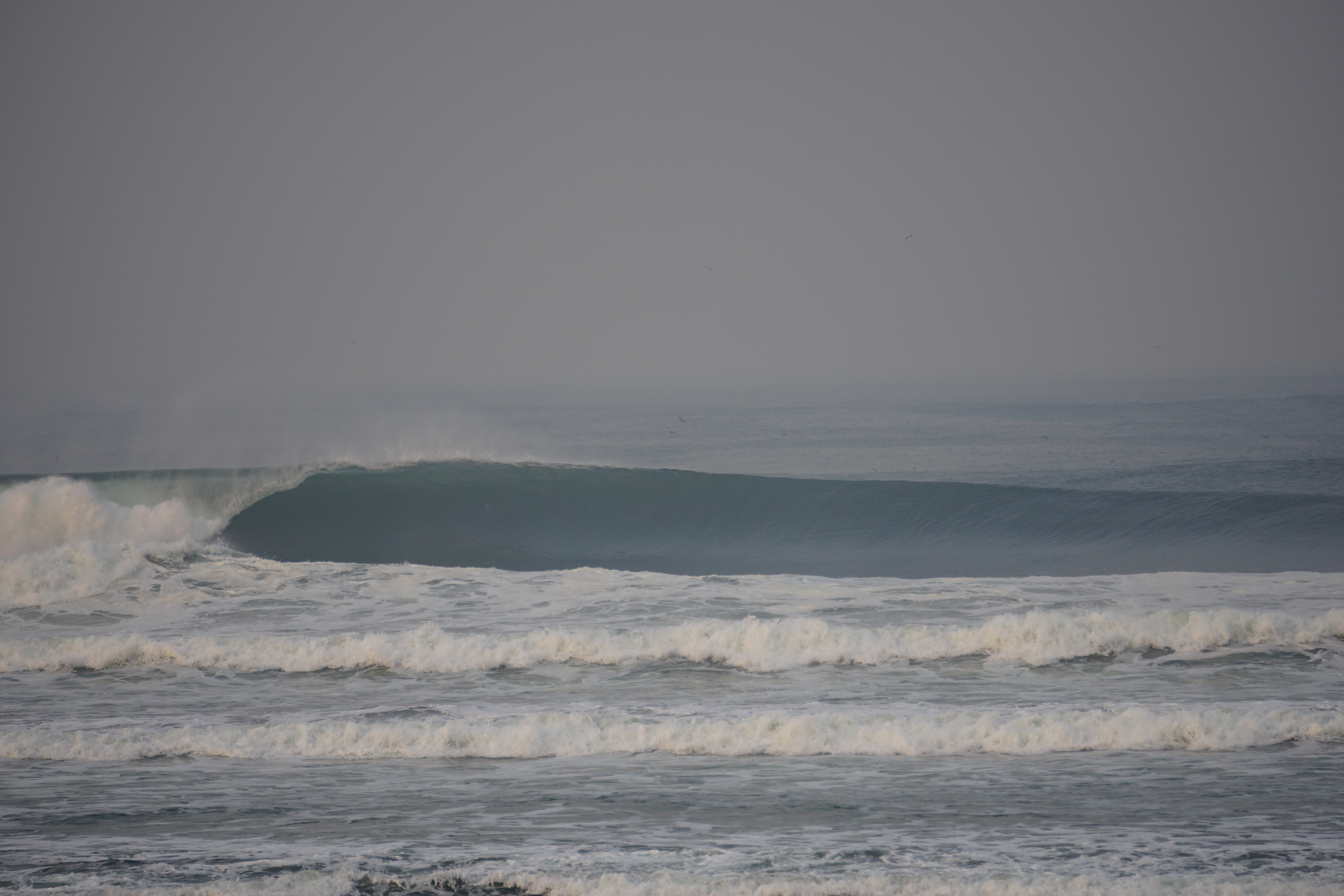
Ocean Beach is a 3.5-mile stretch of sand on the western edge of San Francisco, facing directly into the open Pacific. It's the city's most accessible surf spot, but don't let that fool you, it's one of the heavier beach breaks in Northern California.
The waves here are powerful and punchy, driven by long-period swells that have traveled thousands of miles across the Pacific. The beach is fully exposed, and the combination of strong currents, shifting sandbars, and frequent shore break can make it challenging even for experienced surfers. Surf season typically runs from September through March, when the winds begin to switch offshore and the fog and onshore wind that dominate summer start to fade.
Surfing at Ocean Beach dates back to the early 1900s, when a handful of adventurous swimmers began riding the shorebreak without wetsuits and on heavy wooden boards. By the 1950s, a dedicated local crew had established Kelly's Cove at the north end as the heart of the San Francisco surf scene, a tight-knit community defined by the cold water and unforgiving conditions.
Jack O'Neill, who would go on to revolutionize cold-water surfing by developing the modern neoprene wetsuit, first opened his surf shop on the Great Highway directly on Ocean Beach in 1952. His invention made OB accessible to a generation of surfers who would otherwise have been defeated by the 54-degree water. Today, Ocean Beach carries that legacy, it remains one of the most respected and challenging urban surf breaks in the world, drawing surfers from across the Bay Area and beyond on every solid northwest swell.
The currents at Ocean Beach are serious and should not be underestimated. The best strategy is to pick a peak and stay near it rather than drifting. Paddle out at low-current windows, often early morning, and be aware of rip currents that can pull you north or south quickly. Conditions can be highly unpredictable and can change fast, so always check the forecast for the day you're heading out. It's not unusual for the morning to be 3 to 4 feet and for the same swell to build to double-overhead, 10-foot faces by the afternoon.
The sandbars shift constantly, often sending surfers searching north and south of the beach for the best zone. Surfing in front of Beach Chalet is typically the easiest paddle out, with waves breaking closer to shore. Farther south, near Noriega and Pacheco, waves break farther from shore and tend to run larger. Check Surfline for conditions before you go.
Ocean Beach runs along the Great Highway between the Cliff House to the north and Sloat Boulevard to the south. Take Fulton Street or Lincoln Way west from Golden Gate Park and you'll run right into it. Muni lines N-Judah and L-Taraval both have stops nearby.
Right Now
Photos
VFWs
Kelly's Cove
Pacheco
Watch
OB Online
Ocean Beach on Instagram